
Bring It On 8: Squad Retribution (2026) bursts onto the screen with electrifying energy, reigniting the iconic cheerleading legacy with a darker, fiercer, and far more emotionally charged storyline than fans have ever seen before. Set years after the era of legendary cheer rivalries made famous by the original Bring It On, this new chapter dives into a world where competition is no longer just about trophies — it’s about pride, betrayal, and redemption. The film opens with the rise of a once-undefeated elite squad whose reputation collapses overnight after a scandal exposes stolen choreography and sabotage, shattering their legacy and forcing the team into exile from the competitive cheer circuit.

At the center of the story is a determined former captain who was unfairly blamed for the scandal, now living in the shadows while the sport she loves moves on without her. When a new underground cheer league emerges — one that thrives on ruthless showdowns and viral fame — she sees a chance not only to clear her name but to rebuild something stronger. Gathering a group of misfit athletes, dancers, and former rivals, she forms a renegade squad fueled by vengeance and passion. Their journey is not just about training harder, but about confronting their insecurities, past rivalries, and the fear of failing again under the spotlight.

What makes Squad Retribution especially gripping is how it transforms cheerleading into a high-stakes battlefield of strategy and psychological warfare. Every routine becomes a narrative weapon, every stunt a symbol of defiance, and every performance a declaration of identity. The film cleverly balances explosive choreography with intense character arcs, showing how the squad slowly evolves from a fractured group into a unified force. Their practices are brutal, their conflicts raw, and their growth deeply human, making each victory feel earned rather than predictable.

As the competition escalates, the film introduces a formidable antagonist team — a polished, corporate-backed squad that represents the commercialization of cheer culture. Their flawless routines and media dominance contrast sharply with the rebellious spirit of the underdog team, creating a tension that extends beyond the stage. The emotional stakes heighten when secrets from the past resurface, revealing that the original scandal may have been orchestrated by powerful figures within the cheer industry, turning the upcoming championship into more than a competition — it becomes a reckoning.
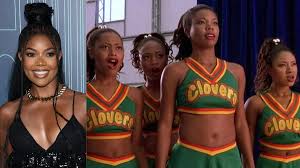
Visually, the movie is a spectacle of synchronized motion, cinematic slow-motion stunts, and pulse-pounding music that amplifies every flip, lift, and landing into moments of cinematic adrenaline. Yet beneath the glitter and explosive performances lies a surprisingly mature narrative about loyalty, resilience, and reclaiming one’s voice in a world obsessed with perfection. The choreography sequences are not just performances; they are storytelling devices that mirror each character’s emotional transformation, culminating in routines that feel both artistic and cathartic.

By the time the final championship unfolds, Squad Retribution delivers an emotionally charged climax where rivalry, redemption, and identity collide in a breathtaking showdown that goes far beyond cheerleading tropes. The film closes on a powerful note, suggesting that true victory is not about defeating opponents, but about reclaiming self-worth and rewriting one’s narrative after public downfall. Bold, dramatic, and fiercely inspirational, Bring It On 8: Squad Retribution (2026) reinvents the franchise with a modern edge, proving that the spirit of cheer is no longer just about spirit fingers and smiles — it’s about resilience, rebellion, and rising stronger when the world expects you to fall.