
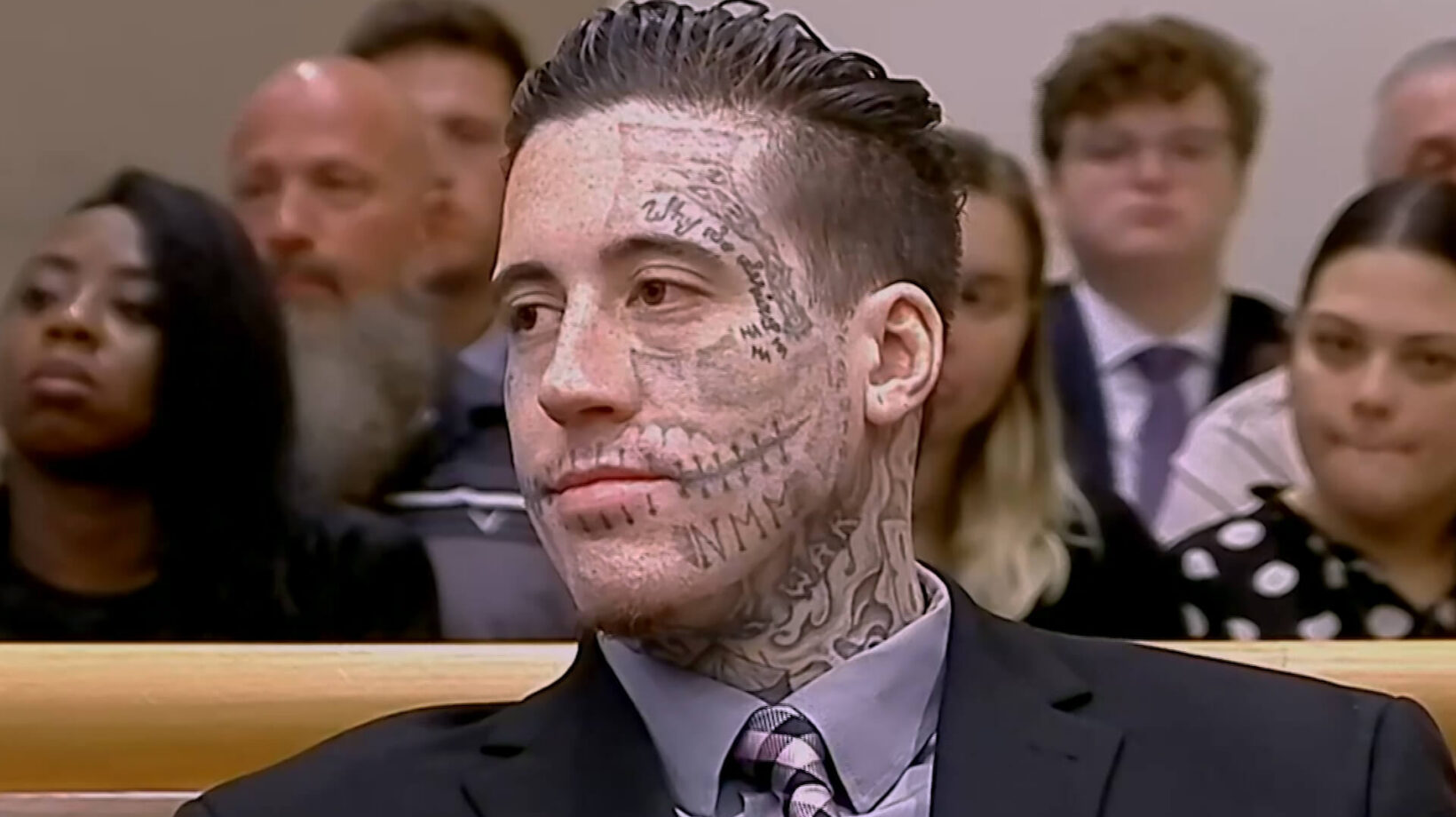
Handsome Devil: Charming Killer (2026) is a chilling true-crime story that proves evil does not always look monstrous. Sometimes it wears a smile, speaks softly, and hides behind a face people find strangely magnetic. The film dives into the disturbing case of Wade Wilson, a man whose appearance and charm created a bizarre fascination across the internet even as investigators uncovered the horrifying truth behind his crimes. What begins as an unsettling mystery slowly transforms into a psychological descent into manipulation, obsession, and the dangerous power of charisma.

The story unfolds on a seemingly ordinary night in Florida when Wilson meets a woman at a bar, projecting the image of a confident and attractive stranger who seems impossible to distrust. But beneath the surface lies something deeply broken. As the narrative progresses, the film reconstructs the night that spiraled into unimaginable violence, revealing how one encounter led to a brutal murder that would shock an entire community. Police bodycam footage, interrogations, and eyewitness accounts gradually expose the horrifying details, creating a tense and haunting atmosphere as authorities race to stop a killer before he strikes again.

Yet the film becomes far more unsettling once it explores the paradox surrounding Wilson’s image. Instead of universal outrage, the case sparks a bizarre online obsession. Social media begins to circulate his mugshot, and shockingly, thousands of people—especially women—start expressing admiration and sympathy for him. Letters pour into jail. Some send money, others profess love, convinced that the man behind the bars cannot truly be the monster described by investigators. The movie brilliantly dissects this disturbing phenomenon, revealing how charm and appearance can distort perception and blur the line between fascination and moral blindness.

As the investigation deepens, the narrative shifts into the courtroom, where the full scope of Wilson’s actions comes to light. Prosecutors reconstruct the timeline of the murders, revealing how he killed two women within hours of each other in an act of terrifying brutality. Confessions, phone calls, and testimonies build a chilling portrait of a man who shows little remorse for the lives he destroyed. The tension escalates as the trial becomes a media spectacle watched by millions, turning a tragedy into a national obsession while the victims’ families struggle to reclaim the humanity of those who were lost.

What makes the film truly gripping is its psychological exploration of Wilson himself. Through interviews with former partners, investigators, and people who once believed in him, the movie reveals a complex personality shaped by a troubled past, manipulation, and a chilling ability to control how others perceive him. The audience is forced to confront an uncomfortable truth: evil does not always appear frightening at first glance. Sometimes it hides behind charm, confidence, and a smile convincing enough to fool almost anyone.

By the time the story reaches its haunting conclusion, Handsome Devil: Charming Killer leaves viewers with a profound sense of unease. It is not simply a story about a murderer, but about society’s strange attraction to darkness and the dangerous ways media attention can transform criminals into twisted icons. The film ends as a stark reminder that behind every sensational headline are real victims whose stories deserve to be remembered, long after the fascination with the killer fades.