

The world of THE WITCH: PART 3 (2026) descends deeper into chaos, opening with a haunting sense of isolation as the protagonist awakens once again in a place that feels both familiar and disturbingly artificial. The film wastes no time immersing viewers in a cold, clinical environment—a secret facility where science has long crossed the line into something far more sinister. From the very first moments, there’s an eerie tension: this is no longer just a story about survival, but about identity, control, and the terrifying consequences of playing god. The atmosphere is thick with dread, blending sleek sci-fi aesthetics with brutal, grounded violence that hits harder than ever before.

As the narrative unfolds, the protagonist is forced to confront a horrifying truth—she is no longer unique. The emergence of clones, engineered to replicate and even surpass her abilities, transforms the story into a psychological battlefield. Each encounter with these emotionless versions of herself feels like a collision between humanity and pure instinct. The film cleverly explores the idea of what it means to have a soul, as the protagonist begins to question whether she is truly different from the monsters she’s fighting. This internal conflict elevates the film beyond a typical action thriller, giving it a haunting philosophical edge.
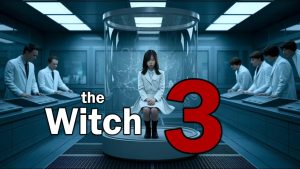
What makes this installment especially gripping is the expansion of its universe. The shadowy organization that once lurked in the background now steps into full view, revealing a масштаб conspiracy that stretches far beyond anything seen in previous chapters. Their goal is chillingly clear: to weaponize human potential and create an army of unstoppable beings. As fragments of the protagonist’s past resurface through fragmented flashbacks, the story begins to connect the dots, painting a tragic picture of manipulation, loss, and a life stolen before it even began.

Action sequences in Part 3 are nothing short of explosive, but they are never empty spectacle. Every fight carries emotional weight, especially when the protagonist faces her most dangerous clone—a version of herself stripped of empathy. These confrontations are brutal, fast, and visually stunning, but what truly sets them apart is the emotional intensity behind every move. It’s not just a battle for survival; it’s a fight to prove that humanity, no matter how fragile, is worth holding onto. The choreography feels raw and personal, making each clash unforgettable.

The film also introduces a subtle but powerful theme of resistance. Former allies and new characters emerge from the shadows, hinting at a larger rebellion against the forces controlling this dark world. Yet, trust is fragile, and betrayal lurks around every corner. The story constantly keeps the audience guessing, blurring the line between friend and enemy. This unpredictability adds a layer of suspense that keeps the tension high from beginning to end, making it impossible to look away.

By the time the film reaches its climax, it becomes clear that THE WITCH: PART 3 is not just a continuation—it’s a transformation. The final moments leave behind a haunting sense of inevitability, as the protagonist stands amid destruction, stronger yet more alone than ever. The ending doesn’t offer comfort; instead, it opens the door to something even larger, suggesting that the true war has only just begun. It’s a bold, intense, and emotionally charged chapter that pushes the franchise into darker, more ambitious territory, leaving audiences both shaken and desperate for what comes next.