
🌅 “Pearl Harbor: Red Horizon (2026)” opens with a haunting calm that makes the coming storm feel even more devastating. The film begins in the quiet hours before dawn, when the harbor is wrapped in mist and the sailors believe the day will pass like any other. From the first moments, the movie establishes a deeply human focus, following a small group of pilots, nurses, and naval officers whose lives are about to be violently rewritten by history. Rather than rushing into explosions, the story takes its time building emotional connections, making you care about these characters before the sky turns red. When the attack finally begins, it hits not just as a spectacle, but as a personal tragedy unfolding in real time.
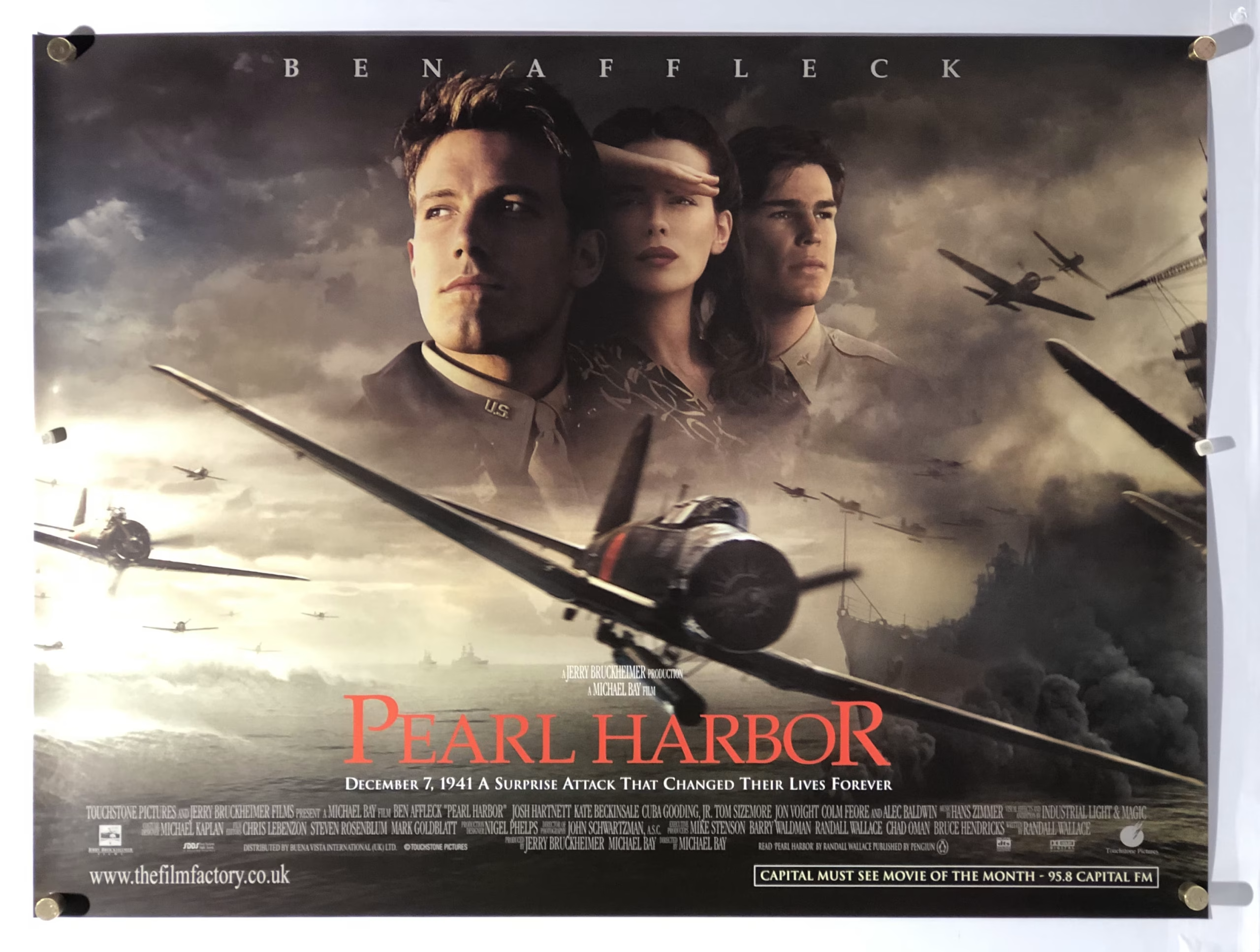
🔥 What sets this film apart is its commitment to perspective and realism. “Red Horizon” doesn’t frame the event as a simple clash of heroes and villains; instead, it shows chaos, confusion, and fear on all sides. The aerial combat sequences are intense and terrifying, shot from inside cockpits and cramped gun turrets, making every second feel desperate and claustrophobic. At the same time, the film cuts to ground-level chaos—nurses racing through smoke-filled corridors, mechanics trying to save burning ships, and commanders forced to make impossible decisions in seconds. The editing is sharp and relentless, pulling the audience into the disorientation of that morning without ever losing emotional clarity.
🩺 The emotional heart of the film lies in the quieter moments between the destruction. One of the most powerful storylines follows a young nurse who arrives in Hawaii seeking adventure, only to be thrown into an endless wave of wounded soldiers and civilians. Her struggle to hold onto compassion as the casualties mount becomes a mirror for the film’s larger themes of innocence lost and resilience found. Meanwhile, a conflicted fighter pilot wrestles with guilt after surviving when so many of his friends do not, turning his personal arc into a painful exploration of survivor’s remorse. These human stories ground the massive historical event in intimate, unforgettable emotion.

✈️ Visually, “Pearl Harbor: Red Horizon” is both breathtaking and brutal. The filmmakers use sweeping shots of the harbor to show the sheer scale of the attack, contrasted with close, shaky camera work during moments of panic. Fire reflects off the water in violent shades of orange and crimson, giving the film its title and an almost apocalyptic atmosphere. Practical effects blend seamlessly with CGI, making the destruction feel heavy and real rather than stylized. The sound design deserves special praise—screaming sirens, distant explosions, and the deafening roar of aircraft combine to create an overwhelming sensory experience that pulls you straight into history.

❤️ Beyond the battlefield, the movie asks difficult questions about duty, sacrifice, and the cost of war. It explores how ordinary people are forced into extraordinary circumstances, and how bravery often looks less like heroics and more like endurance. The relationships between characters are tested under unimaginable pressure, with friendships forged and broken in moments of crisis. The film doesn’t romanticize war; instead, it lingers on the aftermath—the silence after the explosions, the smoke drifting across the harbor, and the faces of those left behind to pick up the pieces.

✨ By the final act, “Pearl Harbor: Red Horizon (2026)” becomes less about the attack itself and more about what follows. The closing scenes focus on resolve rather than revenge, showing a nation—and individuals—forever changed but not defeated. It’s a powerful, emotionally heavy film that respects history while telling a deeply human story within it. Long after the credits roll, the images and emotions linger, leaving you reflective, somber, and quietly moved. This is not just a war movie—it’s a reminder of how fragile peace can be, and how courage often emerges from the darkest horizons.