
🌈 “Looking” (2014–2016) is not just a gay series—it’s a quiet, honest mirror held up to modern queer life, messy emotions and all. Set in San Francisco, the show follows Patrick, Agustín and Dom as they navigate love, sex, friendship and identity in a city that promises freedom but rarely gives answers. From the very first episode, “Looking” makes it clear that it isn’t interested in glossy fantasies or dramatic clichés. Instead, it leans into awkward silences, half-finished conversations and the kind of emotional confusion that feels painfully real. It’s a series that doesn’t shout its message—it lets you sit with it, uncomfortably at times, and that’s exactly why it hits so hard.

💔 At the center of the story is Patrick, a video game designer whose biggest struggle isn’t being gay—it’s knowing what he actually wants. His romantic journey, especially his complicated relationship with Kevin, feels raw and unfiltered. Patrick’s indecision, insecurity and tendency to overthink everything can be frustrating to watch, but also deeply relatable. The show refuses to make him a perfect protagonist; instead, it presents him as someone still learning how to be emotionally honest, not just with others but with himself. Watching Patrick stumble through love, break hearts and get his own broken feels less like fiction and more like eavesdropping on real life.
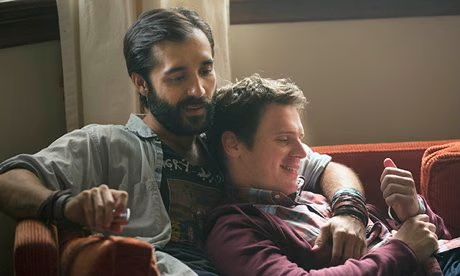
🔥 Agustín’s storyline brings a darker, more intense emotional layer to the series. His long-term relationship with Frank begins to unravel as Agustín confronts his need for validation, freedom and artistic identity. This arc is uncomfortable, intimate and sometimes brutal in its honesty. The show doesn’t judge him—it simply observes how desire, ego and fear can quietly destroy something once beautiful. Agustín’s struggle captures a side of gay relationships that’s rarely shown without moralizing: the fear of settling, the pressure to be “happy,” and the temptation to self-sabotage when things become too stable.

🍷 Then there’s Dom, the emotional anchor of the group and arguably the soul of “Looking.” Older, more grounded, and deeply romantic, Dom represents the fear of time slipping away. His dreams of opening a restaurant, his longing for genuine connection, and his quiet loneliness add a bittersweet warmth to the series. Dom’s love story—slow, tender and deeply human—offers some of the show’s most rewarding moments. Through him, “Looking” explores aging in the gay community, the anxiety of being left behind, and the hope that love doesn’t have an expiration date.
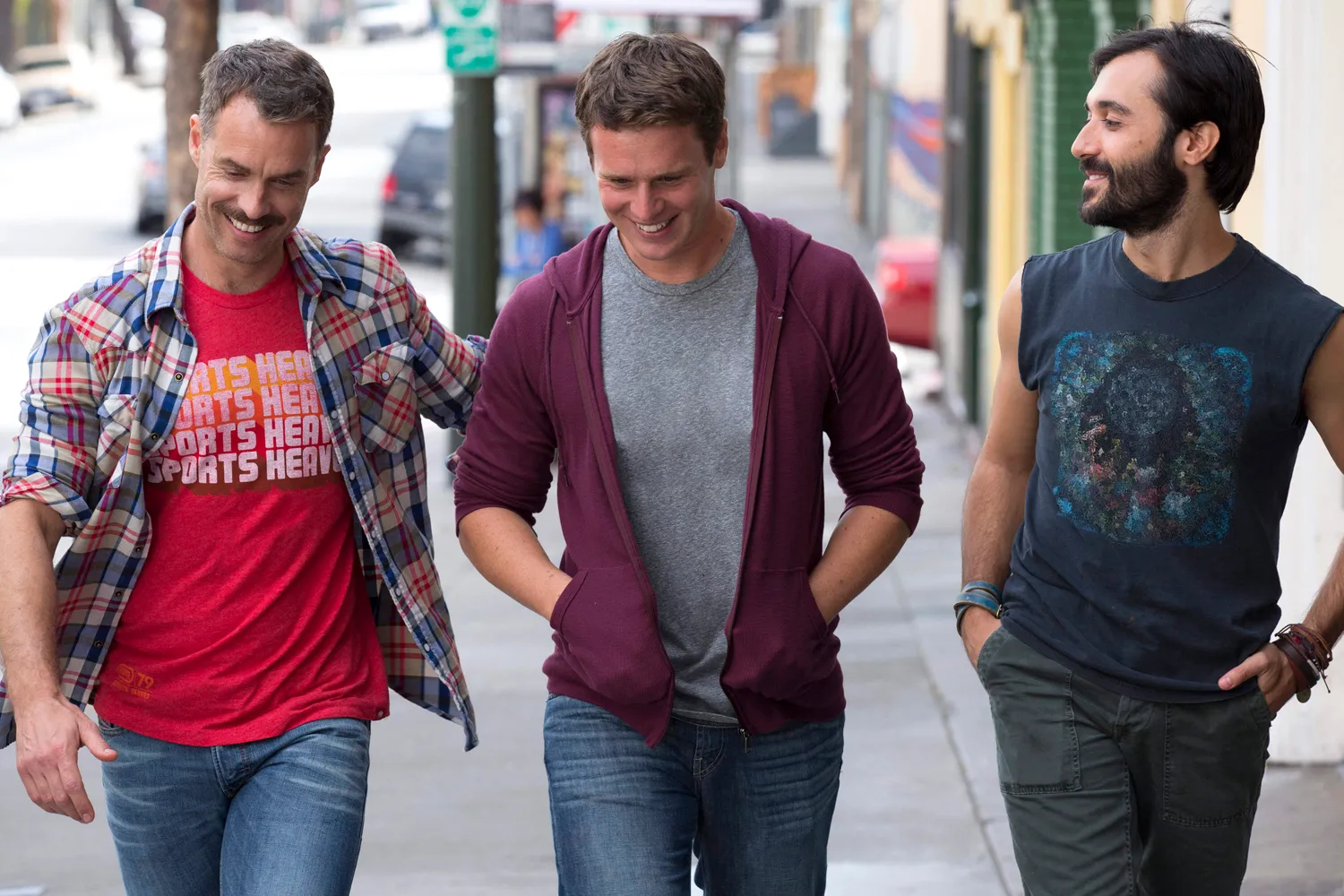
🎭 What makes “Looking” truly special is its tone—soft, observational, and emotionally brave. The series doesn’t rely on dramatic twists or big speeches. Instead, it finds power in subtle gestures: a look held too long, a text left unanswered, a smile that hides disappointment. San Francisco itself feels like a living character, reflecting the beauty and isolation of queer life in a city full of options but short on certainty. The dialogue feels natural, sometimes painfully so, capturing the way people avoid saying what they mean until it’s too late.

✨ By the time “Looking” ends, including its powerful follow-up movie, it feels less like a show you watched and more like a phase of life you lived through. It doesn’t offer perfect endings or clear lessons—and that’s its greatest strength. “Looking” understands that love is confusing, identity is fluid, and growth often comes quietly, without applause. For anyone who has ever questioned their choices, feared vulnerability, or searched for connection in a fast-moving world, this series resonates deeply. It’s tender, flawed, deeply gay—and profoundly human.