

Little House on the Prairie: A New Chapter (2026) feels less like a reboot and more like a quiet, emotional resurrection of a world that never truly disappeared. Set against the vast, untamed landscapes of the American frontier, the series opens with a tone that is both nostalgic and hauntingly fresh, drawing viewers into the fragile beginnings of the Ingalls family as they attempt to build a life from nothing but hope and determination. From the very first moments, the story embraces a slower, more intimate rhythm, allowing every glance, every silence, and every hardship to breathe, making the prairie itself feel like a living, unpredictable force shaping the characters’ destinies.
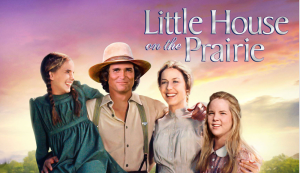
At the heart of the story is Laura Ingalls, no longer just a curious child but a deeply observant soul trying to understand a harsh and often unforgiving world. Her perspective becomes the emotional lens through which everything unfolds—joy feels brighter, losses cut deeper, and small victories carry immense weight. The bond within the Ingalls family is portrayed with raw sincerity, especially in the relationship between Laura and her father, whose quiet strength and moral compass guide the family through moments where survival seems uncertain. This isn’t just a tale of growing up—it’s a meditation on resilience, identity, and the cost of chasing a better life in a land that offers no guarantees.
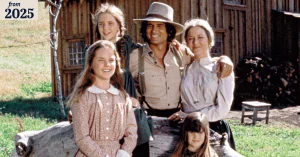
What makes this new chapter particularly compelling is how it leans into the reality of frontier life. The series doesn’t shy away from hardship—harsh winters, failed crops, illness, and isolation are not just background elements but central conflicts that shape every decision the characters make. Yet, amid the struggle, there is an almost poetic beauty in the simplicity of their existence: shared meals, laughter by candlelight, and the quiet comfort of family. These moments create a powerful contrast, reminding viewers that even in the bleakest conditions, humanity finds ways to endure and to love.
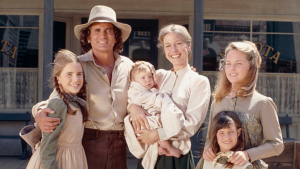
As the narrative unfolds, the story expands beyond the Ingalls household, introducing a broader community filled with layered, complex individuals. Each character brings their own burdens, secrets, and dreams, turning the prairie into a mosaic of human experience. Conflicts arise not just from nature, but from differing beliefs, cultural encounters, and the tension between tradition and change. The series subtly explores these themes without losing its emotional core, weaving them into the fabric of everyday life rather than presenting them as overt statements. This approach gives the story a grounded authenticity that feels both timeless and strikingly relevant.
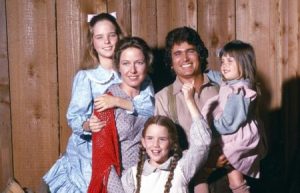
Visually, the series is breathtaking, capturing the prairie in a way that feels almost cinematic. Golden fields stretch endlessly under vast skies, storms roll in with terrifying beauty, and every setting reinforces the scale of the world the characters are trying to survive in. But beyond its visual appeal, the atmosphere carries a deeper emotional weight—the land is not just a setting, it is a character that challenges, nurtures, and ultimately defines those who dare to call it home. The pacing allows viewers to truly feel the passage of time, making each episode feel like a chapter in a larger, unfolding legacy.
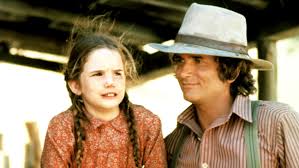
By the time the story reaches its most emotional moments, A New Chapter reveals its true strength—not in grand plot twists, but in the quiet accumulation of human experiences. It becomes a story about legacy, about the invisible threads that connect generations, and about the enduring power of hope in the face of uncertainty. Rather than simply retelling a beloved tale, the series reimagines it with a depth and maturity that resonates on a profoundly emotional level, leaving viewers not just entertained, but deeply moved by the fragile, beautiful journey of life on the prairie.